

Bali with little ones
A parent's guide to Bali
Everything Australian families need for a smooth Bali holiday with little ones — updated for 2026.
Prices are in Indonesian Rupiah (IDR) with rough Australian-dollar guides (about A$1 ≈ IDR 12,500) and shift over time — treat them as ballpark. Anything health-related here is general travel information, not medical advice: please see your GP or a travel clinic before you go.
Before you fly: planning & paperwork
When to go
Bali's dry season (April–October) is the easiest time for families — warm, sunny and less humid. June to August is the busiest and priciest; May–June and September are the sweet spots: dry weather, thinner crowds and better availability. The wet season (November–March) is cheaper and quieter, with heavy but usually short downpours — just note humidity is high and dengue risk is higher in these months. It's warm year-round (26–32°C) and the sea is warm whenever you visit.
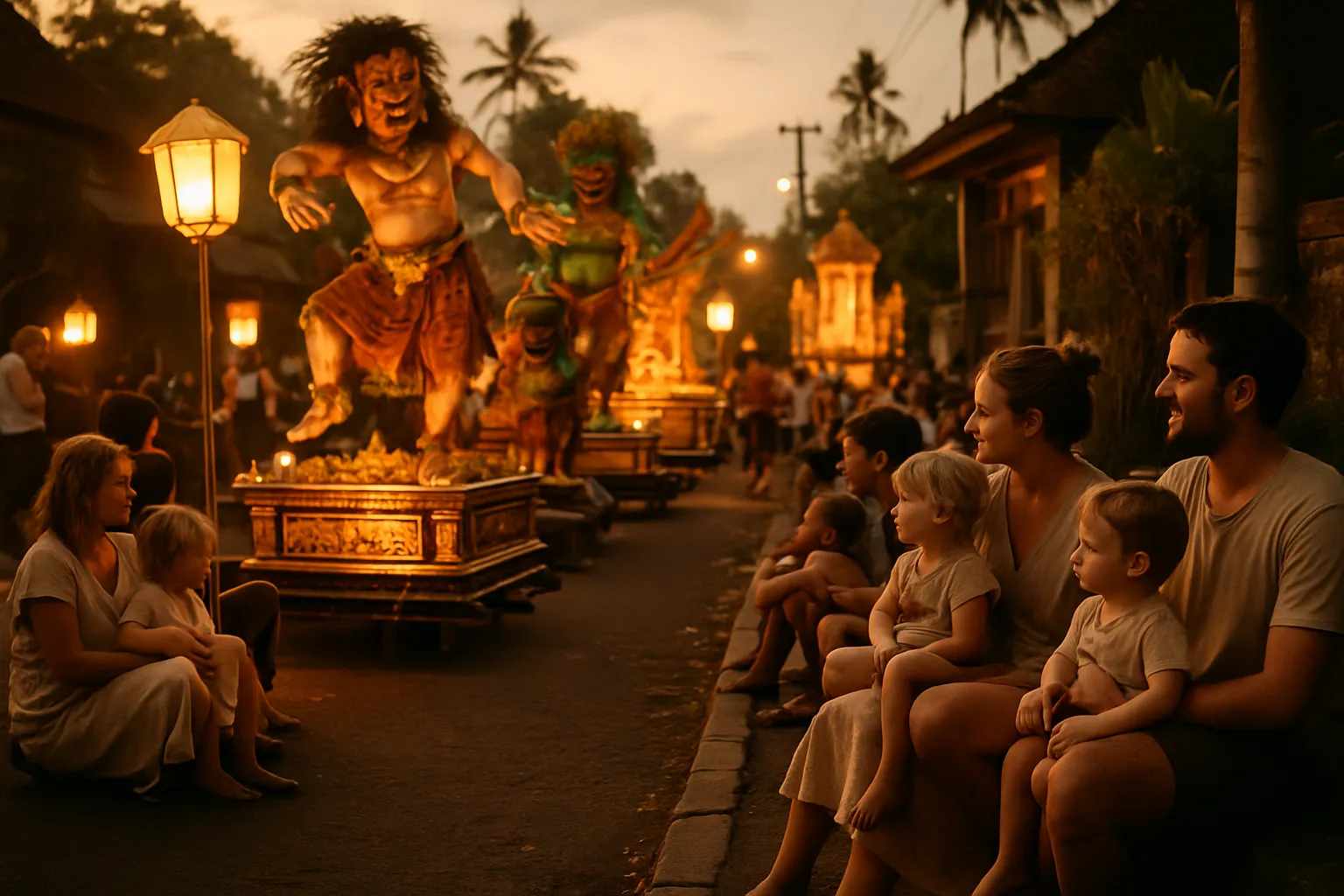
In 2026, Nyepi runs from 6am Thursday 19 March to 6am Friday 20 March. For 24 hours the entire island shuts down — the airport closes, no flights, shops and restaurants close, and no one (tourists included) may go outside. Hotels and villas stay open and you simply stay in. If your trip overlaps, stock up on formula, nappies, food and water the day before, and choose somewhere comfortable to spend a full day in. The night before brings the loud, spectacular Ogoh-Ogoh monster parades — fun for older kids, but late and potentially overwhelming for babies. Don't book arrivals or departures on or next to these dates.
Visas, the tourist levy & the arrival card
- Visa on Arrival (VOA): IDR 500,000 (~A$40) per person, valid 30 days, extendable once for another 30. Every child needs their own passport and their own VOA at the full price — there's no infant discount.
- Apply online first (e-VOA): at the official molina.imigrasi.go.id before you fly. It's the single biggest queue-saver — it unlocks the biometric autogates (about 15 seconds) so you skip the manual visa counter with tired kids in tow.
- Bali tourism levy ("Love Bali"): IDR 150,000 (~A$12) per person, one-off — children pay too. Pay online at lovebali.baliprov.go.id beforehand and save the QR code.
- All Indonesia Arrival Card: since 2025 the old customs, immigration and health forms are combined into one digital form at allindonesia.imigrasi.go.id. Complete it within 72 hours of your flight; you'll get a QR code by email. Your own baby food, formula, medicines and gear are fine as personal effects.
Travel insurance — non-negotiable
Get family travel insurance that names every child and explicitly covers medical evacuation. The private hospitals you'd actually use require payment upfront unless your insurer direct-bills, and an air ambulance to Singapore or Australia can run into the hundreds of thousands of dollars. Aim for solid medical cover plus generous evacuation cover, and keep the insurer's 24-hour number on your phone and on paper.
A visit to your GP or travel clinic
Book a travel-health appointment 6–8 weeks before you go and bring your child's immunisation record. A few things worth raising:
- Measles is an active outbreak risk in Bali. Make sure MMR cover is sorted — ask whether an early dose is appropriate for infants aged 6–11 months.
- Discuss Hepatitis A, typhoid and rabies — age limits apply for young children, so your doctor will advise what's suitable.
- Malaria is very low risk in Bali; tablets generally aren't recommended. Dengue has no infant travel vaccine — prevention is bite avoidance.
Arriving at the airport
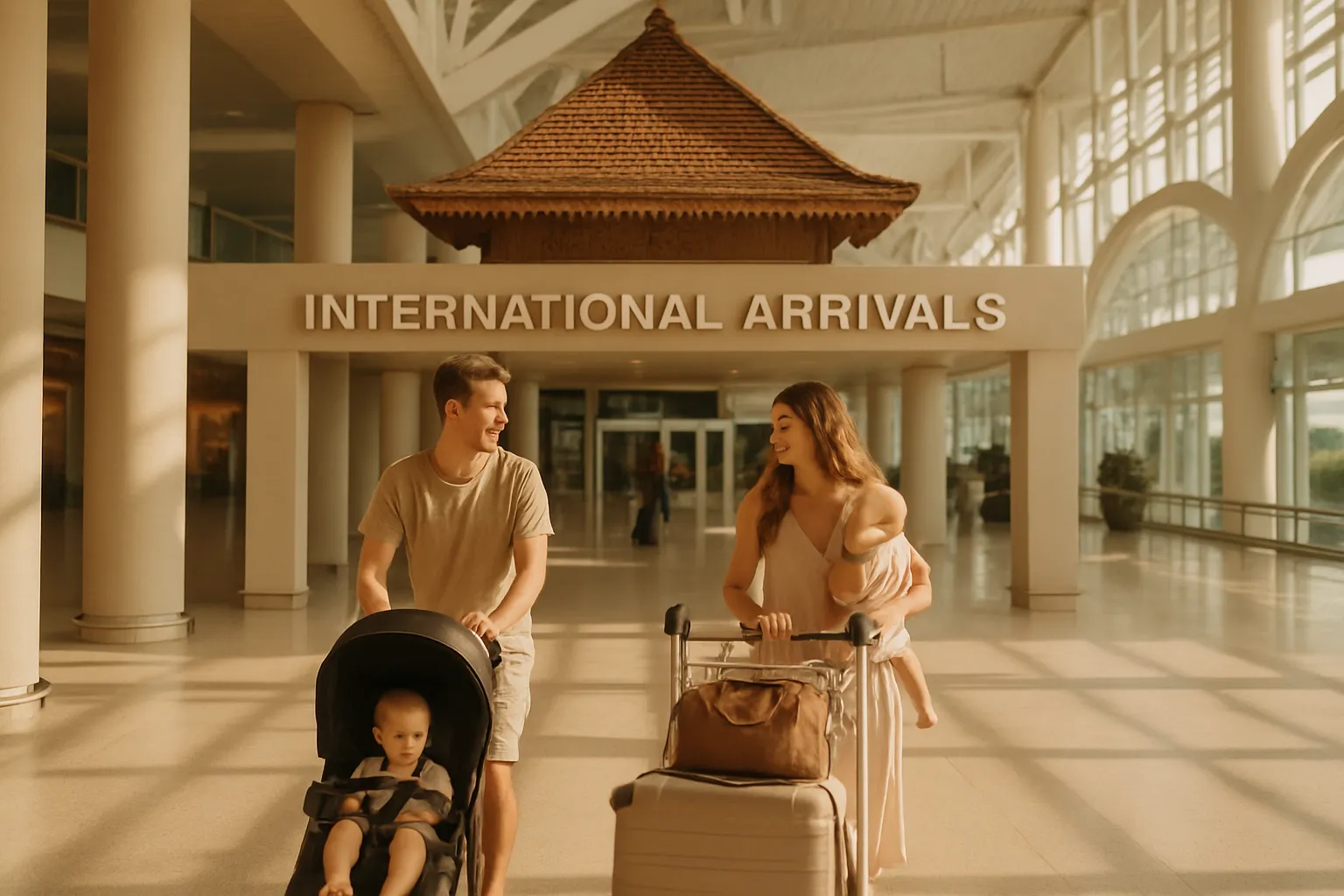
Denpasar's Ngurah Rai (DPS) airport is modern and generally efficient, but immigration queues can still stretch to 1–2 hours when several wide-body flights land together (worst around 10am–2pm and 10pm–2am). The fix is to arrive pre-cleared: with your e-VOA, levy QR and arrival card done in advance, you head straight for the autogates. Family priority lanes exist but aren't always staffed at peak, so don't rely on them. Paid fast-track meet-and-greet services are available if you want certainty with little ones.
Bags usually take 20–30 minutes to reach the carousel. Porters will offer (quite assertively) to help — a tip of around IDR 50,000 (~A$4) per trolley is normal if you accept, or a polite, firm "no thank you" is fine.
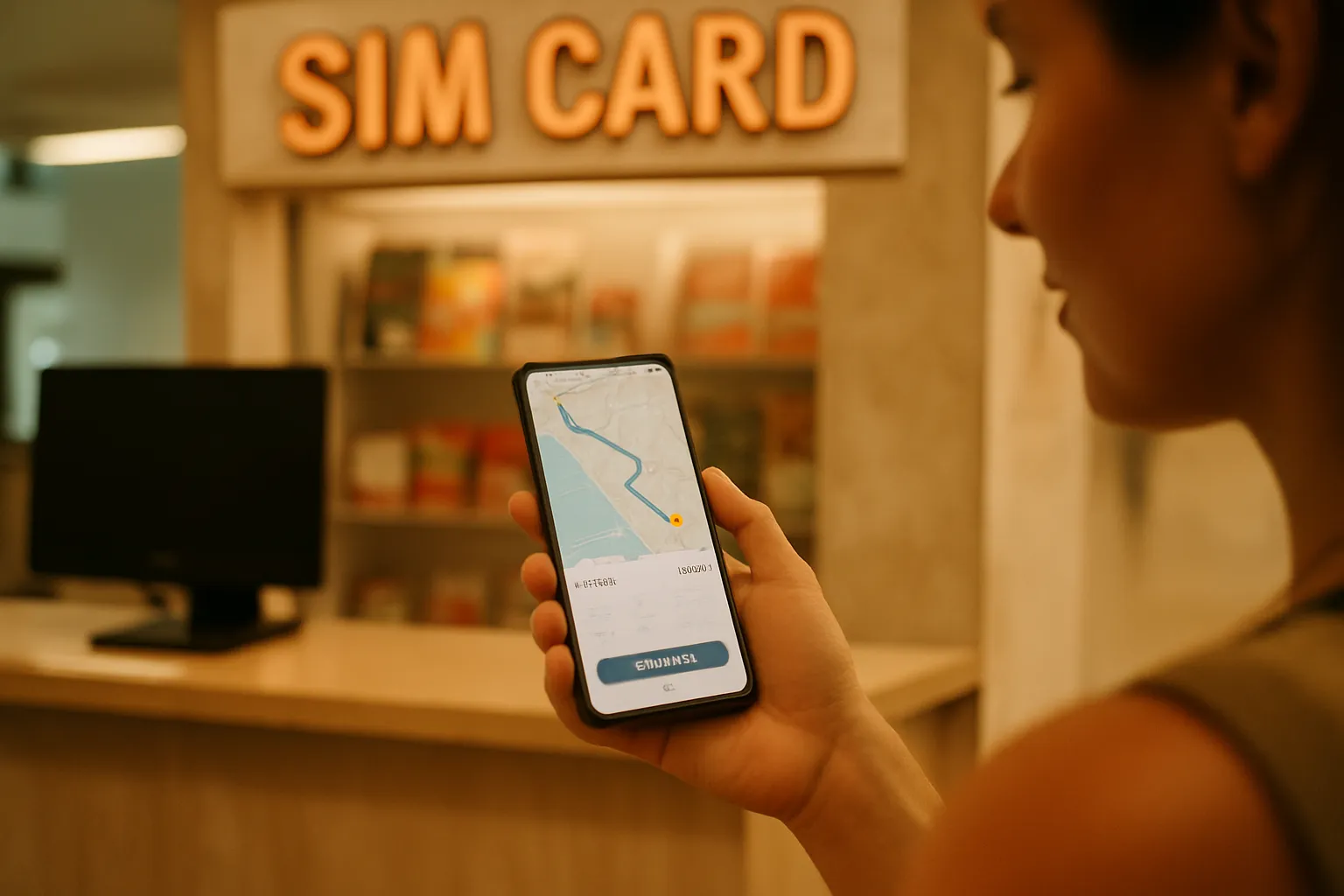
Indonesia registers phone IMEIs, and a foreign phone's IMEI gets blocked from local networks if you buy a local SIM in town after leaving the airport — the SIM simply won't connect. The airport Telkomsel/XL counters handle the IMEI registration when you buy there, so if you want a physical local SIM, buy it at the airport. The easiest option for a holiday is an eSIM (from ~A$8 for 10GB): buy it before you fly or on arrival — it roams on partner networks, so there's no IMEI registration hassle at all.
Money
- You'll need cash (Rupiah) for warungs, markets and small vendors; cards work at hotels, malls and bigger restaurants.
- Use ATMs attached to real bank branches (BCA, BNI, Mandiri, CIMB) and always choose to be charged in IDR, not AUD.
- Be wary of street money-changers (sleight-of-hand shortchanging is common) — use reputable ones and count twice. A Wise or similar multi-currency card is a great option for Australians.
Getting around with kids
Ride-hailing: Grab & Gojek
Install both Grab and Gojek before you fly — they're cheap, metered-by-app and easy. Always book a car, never a bike, for a family. A short 5km car trip is roughly IDR 50,000–80,000 (~A$4–6). Both now have official pickup lounges at the airport. Note some areas (central Ubud, Uluwatu, parts of Canggu and Sanur) have local taxi "red zones" where app pickups are blocked — you can usually still be dropped off and walk a block to get picked up.
Bluebird taxis & private drivers
Bluebird is the trusted metered street taxi (use the genuine app or genuine blue cars, and insist on the meter). For day trips and airport runs, a private driver/charter is the family-friendly choice — around IDR 500,000–800,000 (~A$40–65) for a ~10-hour day including car, driver and fuel.
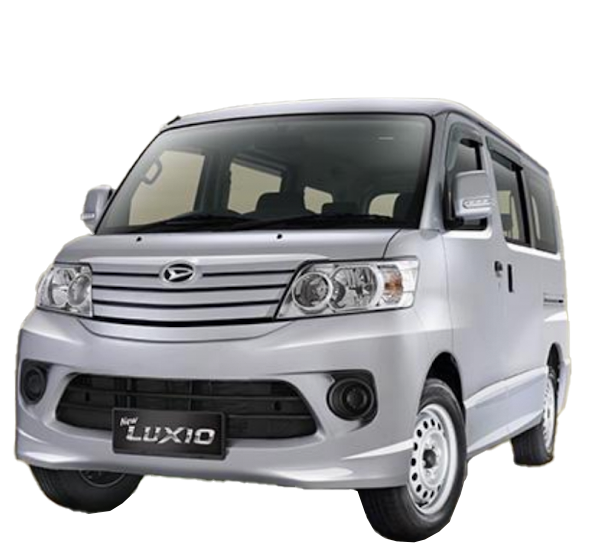
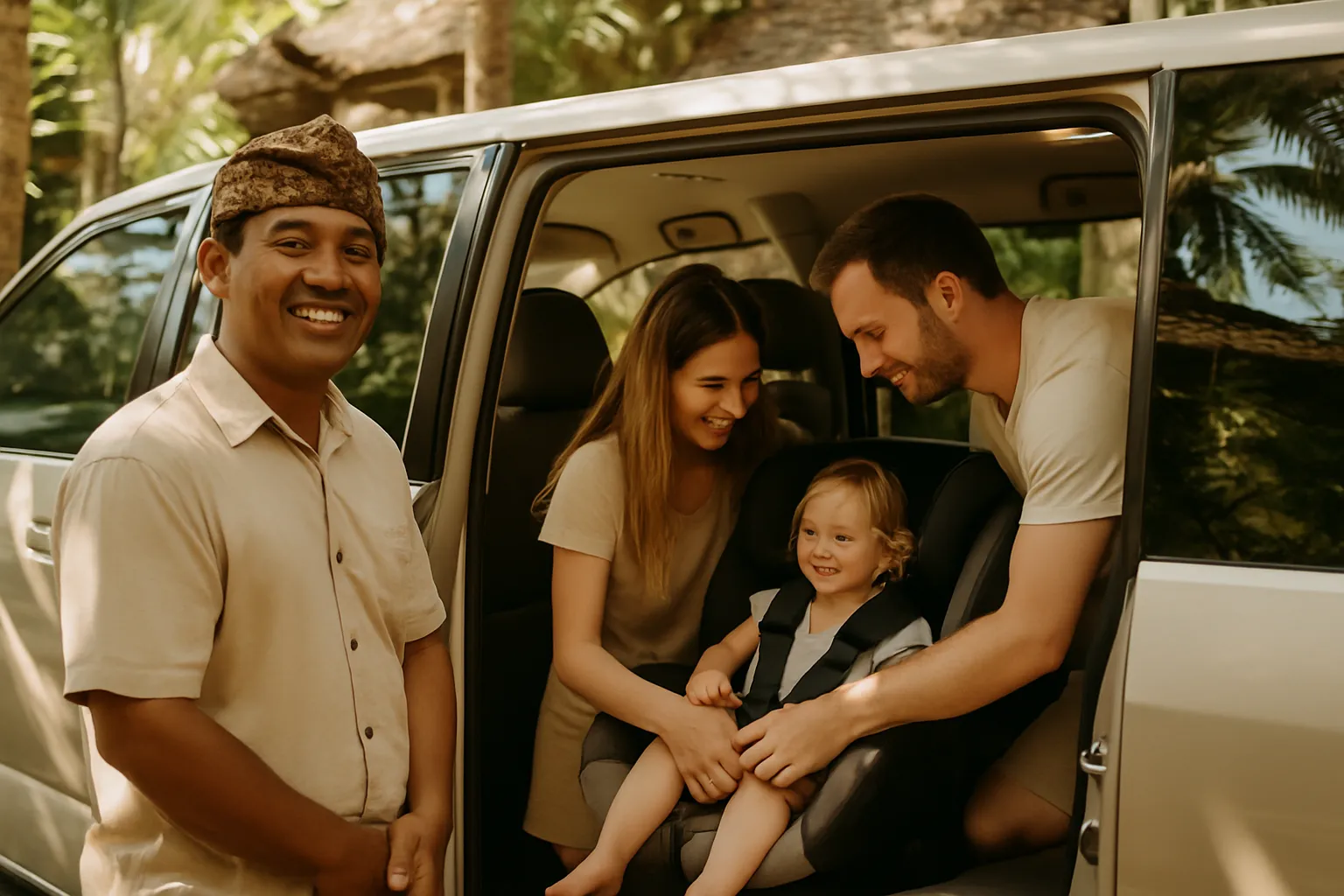
Indonesia has no car-seat law, and Grab, Gojek, Bluebird and regular taxis don't provide them. Either bring your own travel car seat and have your private driver fit it, book a dedicated family service that supplies an installed seat, or hire one (Bali Bubs car seats are tested to Australian standards and our drivers are trained to install them correctly). Don't assume any ride-hailing car is safe for an unrestrained baby.
Carrying a baby or toddler on a scooter isn't safe and can't be done with proper restraint. Helmets are mandatory for riders and passengers, you legally need an International Driving Permit with a motorcycle endorsement, and there are heavy police roadblock crackdowns. Stick to cars and private drivers.
Where to stay with little ones
- Sanur — our top pick for babies and toddlers. Calm, reef-protected beach safe for little swimmers, a flat 6km beachfront path you can stroll with a pram, low traffic, and central for day trips.
- Nusa Dua — the safest, cleanest, least-trafficked option; polished resort enclave with kids' clubs and big pools. Great if you want a self-contained base.
- Seminyak — central, walkable, loads of cafés and shops; livelier, with some surf on the beach. Good for active families.
- Canggu — trendy and fun (Finns Recreation Club is here) but narrow, congested roads and surf beaches make it harder with a pram. Better for older, active kids.
- Ubud — nature, animals and culture, cooler-ish and inland (no beach). Lovely for a few nights rather than your whole stay with a baby.
Villa or hotel — and pool safety
A villa gives you space, a kitchen (a big help for formula and baby food) and a private pool; a hotel/resort gives you kids' clubs, on-site dining and often better mosquito control. Either way:
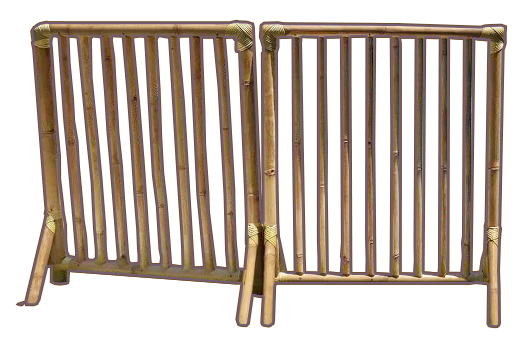
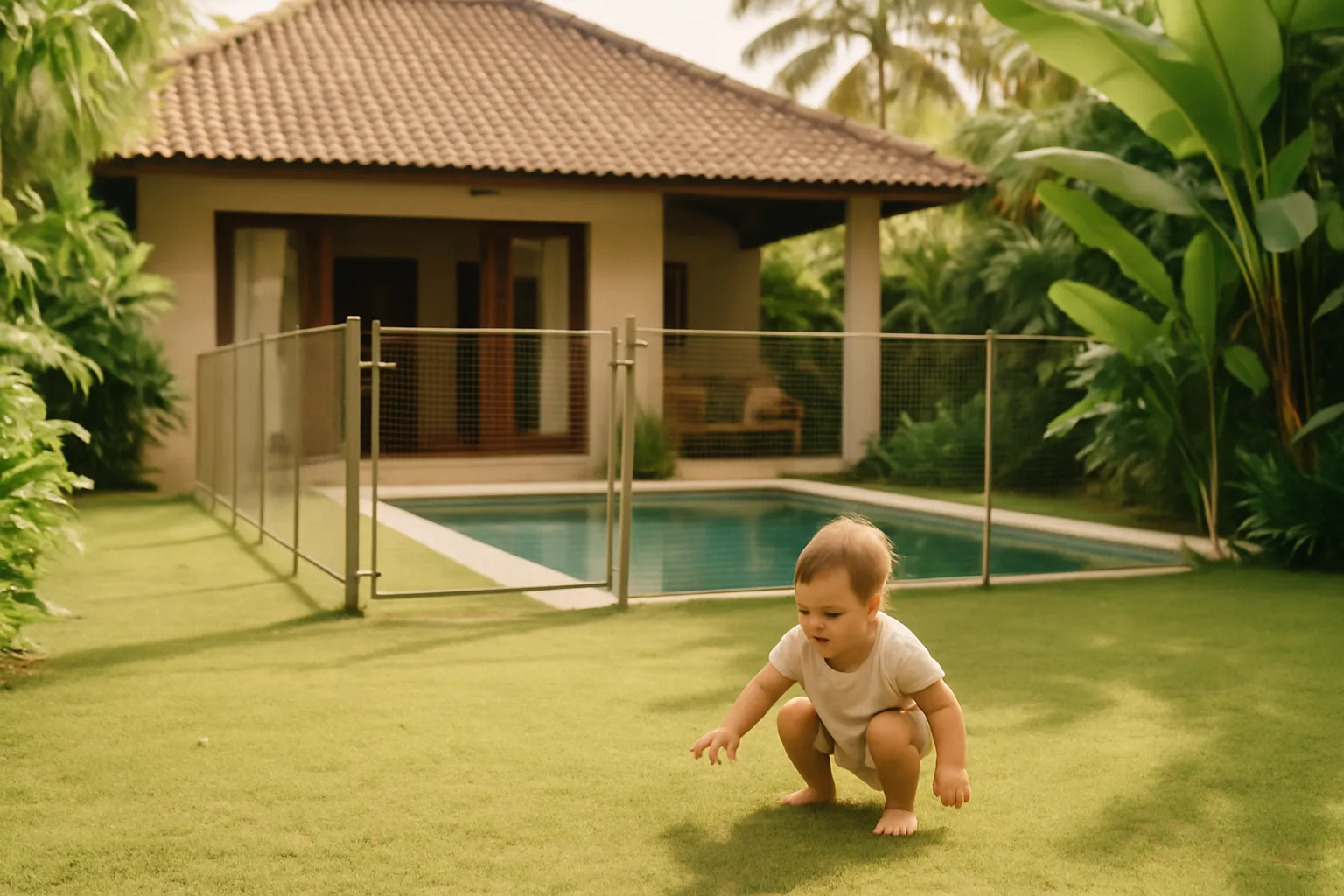
Bali has no pool-fence regulations and the vast majority of villas have unfenced pools. With a toddler or non-swimmer, treat a temporary pool fence as essential regardless of where you stay. Bali Bubs supplies Australian-standard pool fences with self-closing, child-proof gates, delivered and installed at your villa.
Staying healthy & safe
General travel information only — for any illness in a baby or young child, see a doctor early.
Water & food
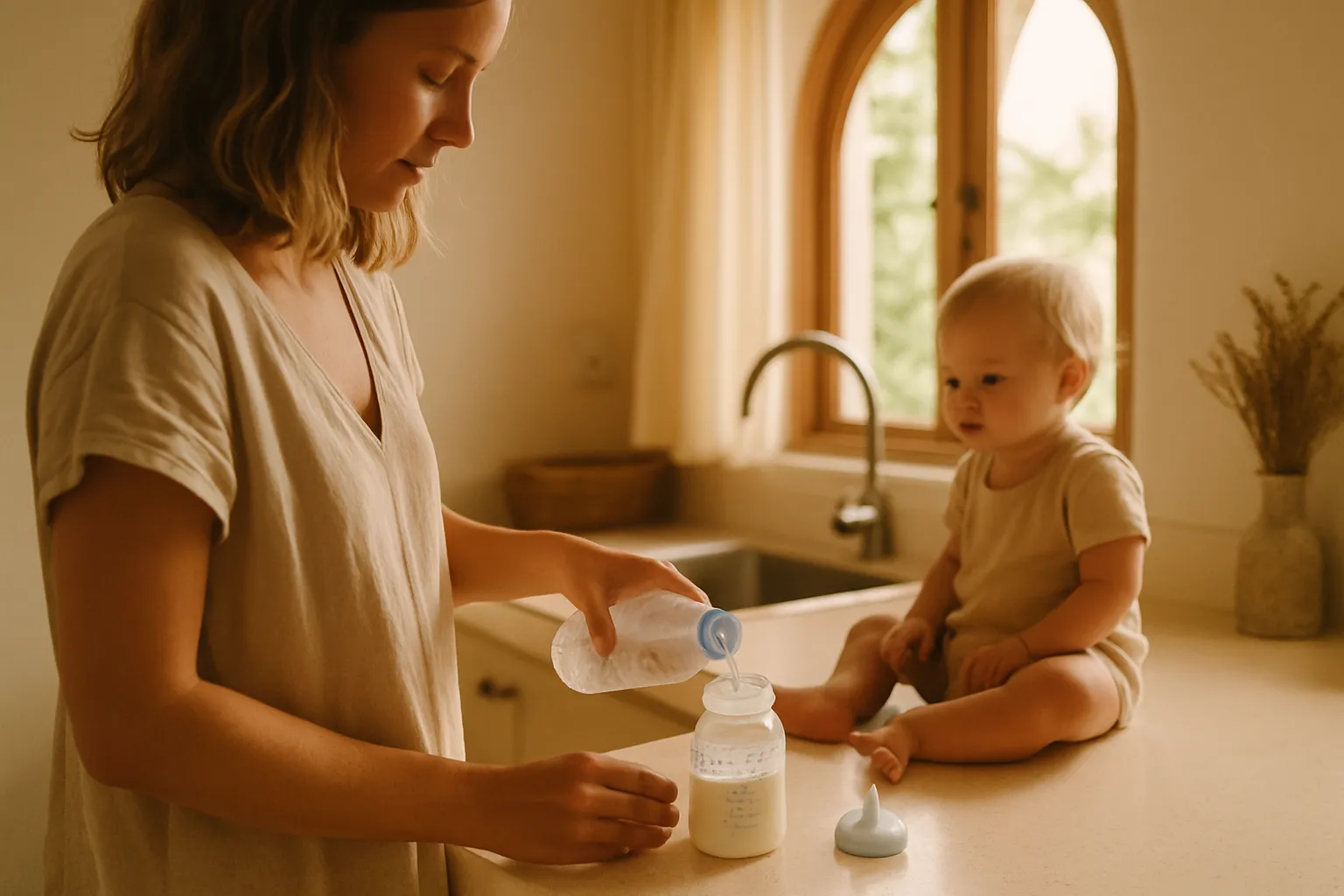
- Tap water is not safe to drink. Use sealed bottled or boiled water for drinking, making up formula, and brushing teeth.
- Formula: mix with cooled boiled water or sealed bottled water; to sterilise, boil for at least a minute and cool.
- Ice is generally fine at reputable hotels and cafés; be cautious at small local spots. Eat freshly cooked hot food, and wash hands often (especially before eating and after nappy changes).
- Villas and hotels supply large refillable water dispensers (galon) — cheap to top up and delivered to your door.
"Bali belly"
If a child does get a tummy upset, the priority is fluids in small, frequent amounts — a sip or teaspoon every few minutes — using an oral rehydration solution (Hydralyte / ORS) rather than plain water or soft drink. Keep breastfeeding on demand. Don't give anti-diarrhoeal medicines (like Imodium) to young children.
…your baby is under 6 months with any diarrhoea or vomiting; there are signs of dehydration (dry mouth, sunken eyes, few wet nappies, drowsiness, no tears); they can't keep fluids down for ~4 hours; there's blood or mucus; or a fever over 38°C lasting more than ~48 hours. Bali has excellent tourist clinics and doctor villa-call services used to treating kids for exactly this.
Mosquitoes & dengue
Dengue is a real, active risk in Bali (worse in the wet season), and the mosquito bites during the day, peaking morning and late afternoon — so daytime protection matters.
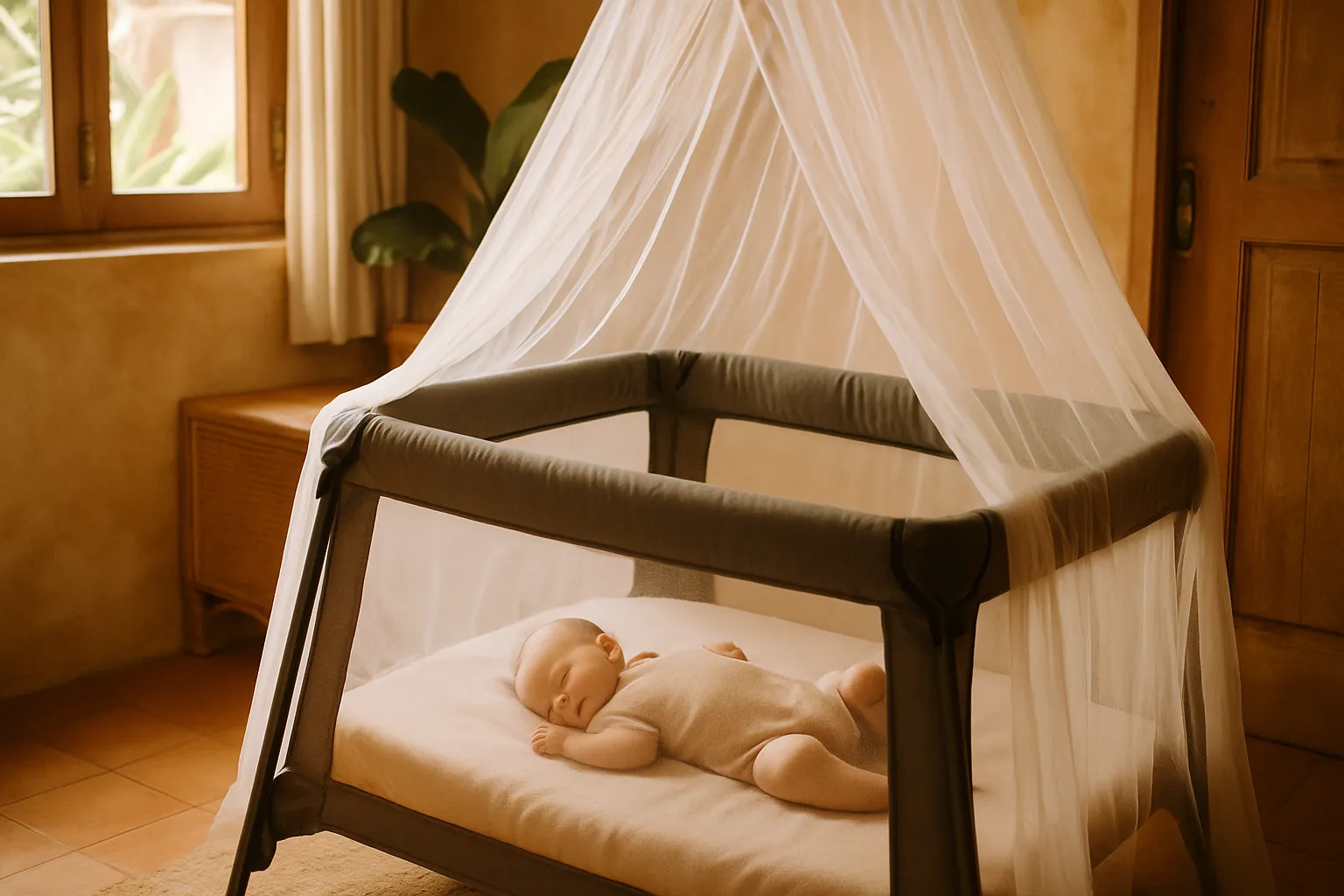
- Under 2 months: no repellent — use physical barriers (mosquito netting over cot, pram and carrier; clothing).
- Over 2 months: DEET 10–30% or picaridin 5–10% are considered safe for children. Apply to your hands first, then onto the child, avoiding hands/eyes/mouth.
- Choose air-conditioned or well-screened rooms, use light long sleeves at dawn/dusk, and empty any standing water nearby.
Bali Bubs includes mosquito nets with travel-cot hire, and can add a net for prams on request.
Animals & rabies
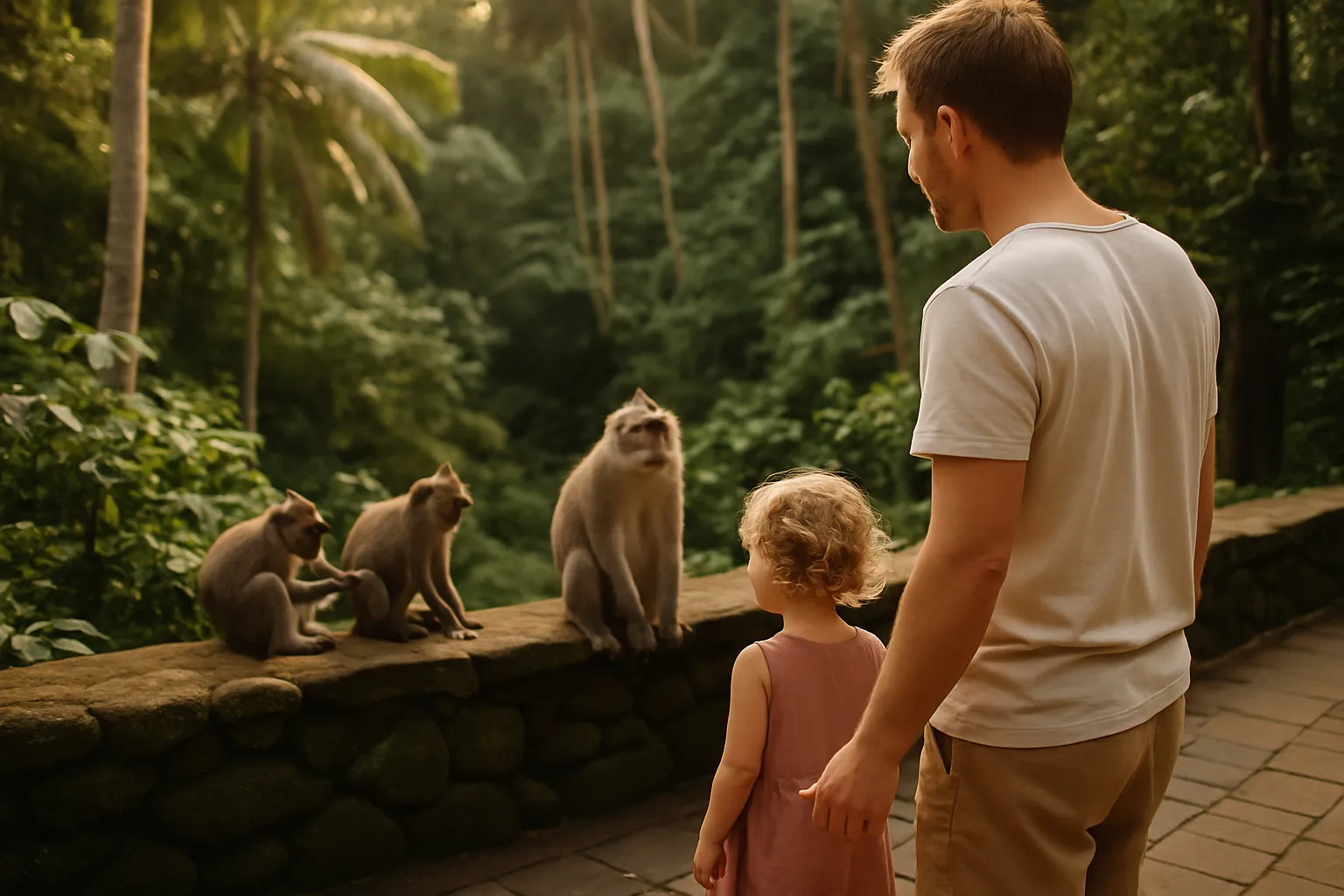
Rabies is present in Bali. Teach children not to touch, feed or hold animals, and hold little hands tightly in monkey areas (monkeys grab food, sunglasses and bags — and grabbing leads to scratches). If your child is bitten, scratched, or even licked on broken skin: wash the wound with soap and running water for 15 minutes, apply antiseptic, and go straight to a clinic or hospital for rabies treatment. This is urgent — don't wait. It's also a good reason to ask your travel clinic about pre-exposure rabies shots for kids.
Sun & heat
Keep babies under 6 months out of direct sun (shade, pram canopy, light covering clothing and a hat). For older children use a zinc-based, reef-safe SPF 50, plus hat, rash vest and sunglasses. Offer fluids often, plan outings for the cooler mornings and late afternoons, and use air-conditioning through the midday heat.
Your baby/child travel medical kit
- Oral rehydration salts (Hydralyte sachets/iceblocks) — the most important item
- Infant/child paracetamol and ibuprofen (right strength for age/weight) + an oral syringe
- Digital thermometer
- Zinc nappy-rash cream (heat and humidity make rash worse)
- Antiseptic wipes and liquid antiseptic (also for wound washing), band-aids, gauze
- Reef-safe baby/child sunscreen (SPF 50) and child-safe insect repellent
- Any prescription medicines in original packaging, with a copy of the script
- Optional: saline nasal drops, age-appropriate antihistamine, tweezers
Hospitals & pharmacies
International-standard private hospitals with English-speaking staff include BIMC (Kuta & Nusa Dua), Siloam (Denpasar), Kasih Ibu, Prima Medika (has a NICU) and Surya Husadha. For non-emergencies, tourist clinics and doctor villa-call services are ideal. Pharmacies (apotek) are everywhere — Guardian and Watsons (Western-style), Kimia Farma, and 24-hour Apotek K-24 — and Grab/Gojek can even deliver pharmacy items to your villa. Note some medicines that are over-the-counter at home need a doctor's note here, so bring your own essentials.
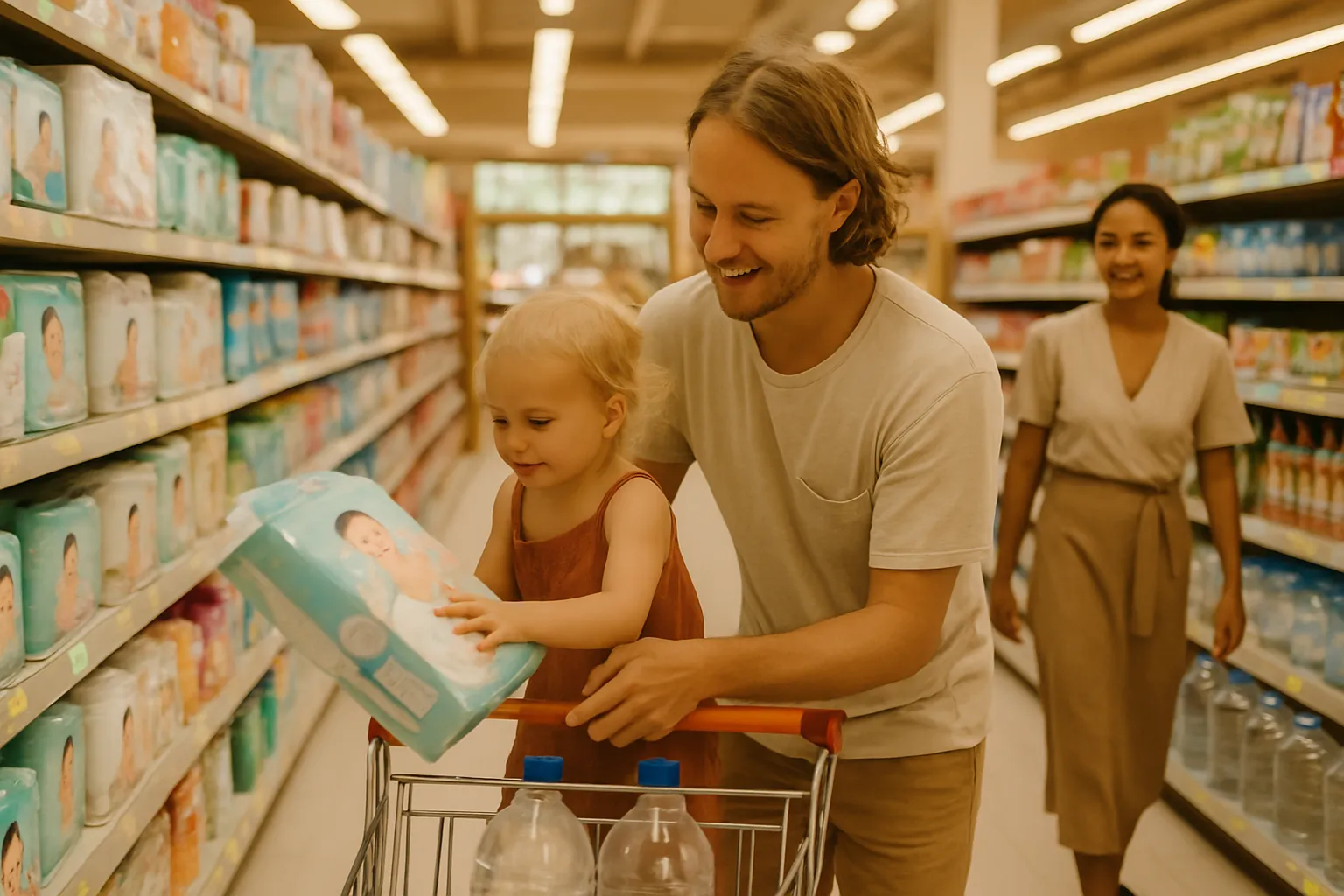
Shopping for baby supplies
The golden rule: bring your own brand-specific essentials (specialty formula, preferred medicines, sunscreen), but everyday consumables — nappies, water, wipes, basic food — are easy to buy locally.
Supermarkets
- Grand Lucky Superstore — the closest thing to an Aussie Coles or Woolworths: clean, well laid out and the widest Western/imported range (including premium formula). Locations on Sunset Road and in Sanur.
- Bintang Supermarket — the long-standing expat favourite, recently refurbished and much more modern than it used to be. In Seminyak (Jl. Raya Seminyak) and Ubud.
- Pepito / Popular — strong all-rounder across south Bali (it trades as Popular Supermarket in Sanur), plus Pepito Express convenience stores island-wide.
- Coco Supermarket (strong in Ubud and Sanur) and Frestive (the Canggu go-to) round out the options.
- Alfamart & Indomaret minimarts are on every corner for quick top-ups — locally made formula, basic nappies, wipes and water.
Note: the old Carrefour is now Transmart (a large Denpasar hypermarket) — handy for a big shop but not tourist-central.
Formula, nappies & baby gear
- Formula: local/regional brands (S-26, Lactogen, Bebelac, Nutrilon, SGM) are widely stocked. Aptamil and Karicare aren't sold in Bali, and formulations can differ from the Australian version — so if your baby is settled on a specific or specialty formula, bring your full supply.
- Nappies: easy to find — Merries (premium), MamyPoko, Pampers. Sizing can run a little small, so size up if unsure.
- Baby gear: Mothercare (Discovery Shopping Mall, Kuta) sells clothing, car seats, high chairs and strollers if you've forgotten something. For everything else, hiring is far easier than buying or flying with bulky gear — Bali Bubs delivers cots, prams, high chairs, car seats, monitors and more, hygienically cleaned, straight to your villa.
Things to do with the kids
Water parks
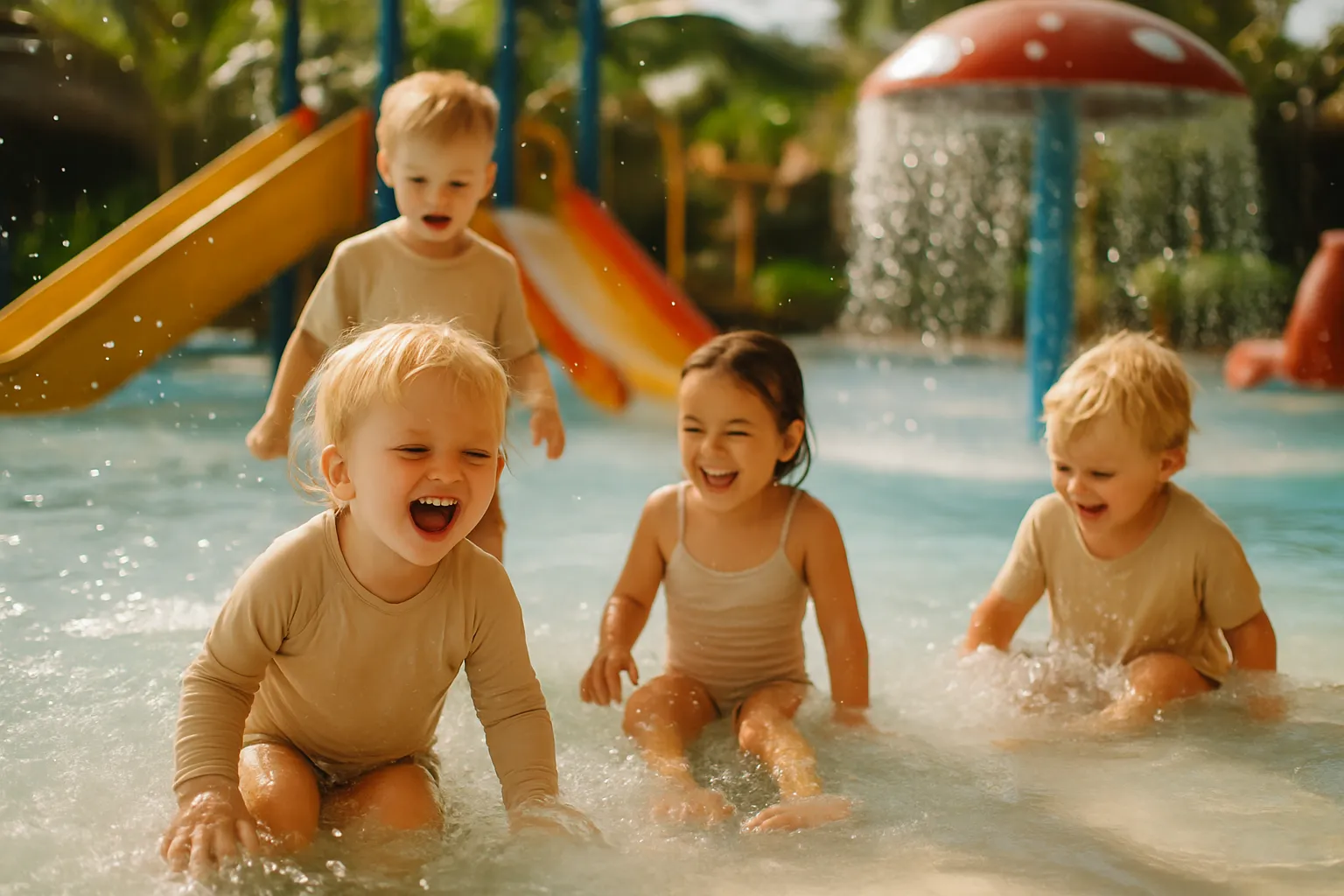
- Waterbom Bali (Kuta) — repeatedly voted Asia's best, beautifully shaded and well-run. Its big new AquaPlay kids' water-playground (opened 2024) has a no-minimum-height toddler zone. Under-2s free.
- Splash Waterpark (inside Finns Recreation Club, Canggu) — gentler and aimed at younger kids, with dedicated toddler zones.
Finns Recreation Club (Canggu)
An all-in-one family day: Splash waterpark, Bounce trampolines, ten-pin bowling, a kids' club and more on one secure site — a great rainy-day or big-energy-day option.
Animal parks
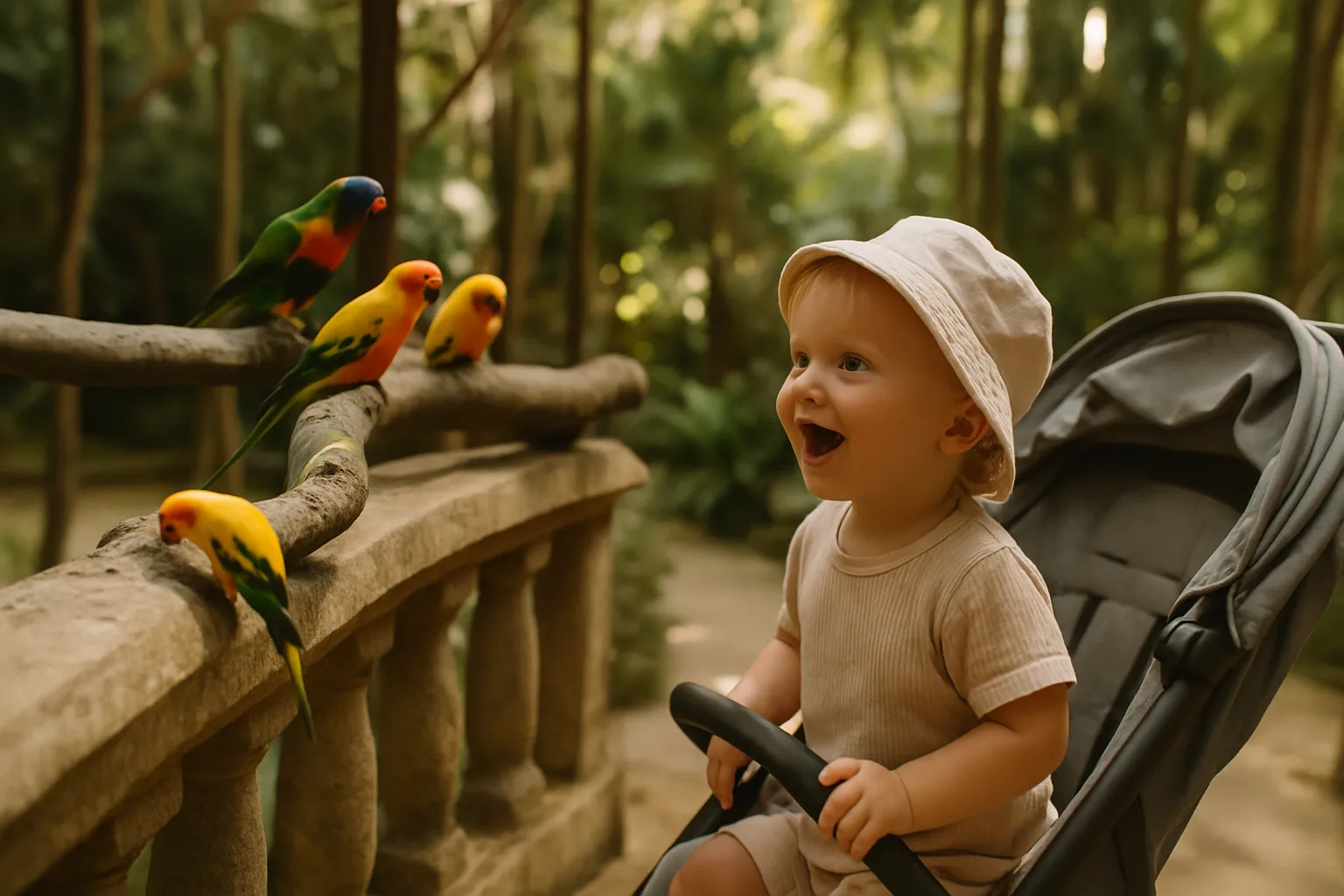
- Bali Safari & Marine Park (Gianyar) — best all-rounder: safari bus, water-play zone and shows; a full day out.
- Bali Zoo (near Ubud) — intimate and walkable, with a famous Breakfast with Orangutans and a Night Zoo.
- Bali Bird Park (Singapadu) — calm, colourful and stroller-friendly, ideal for very little ones; the Reptile Park next door suits curious older kids.
We'd steer families away from Mason Elephant Park due to ongoing animal-welfare concerns. And the old Bali Treetop Adventure Park (Bedugul) has closed — many sites still sell it, so don't book it.
Beaches for little swimmers
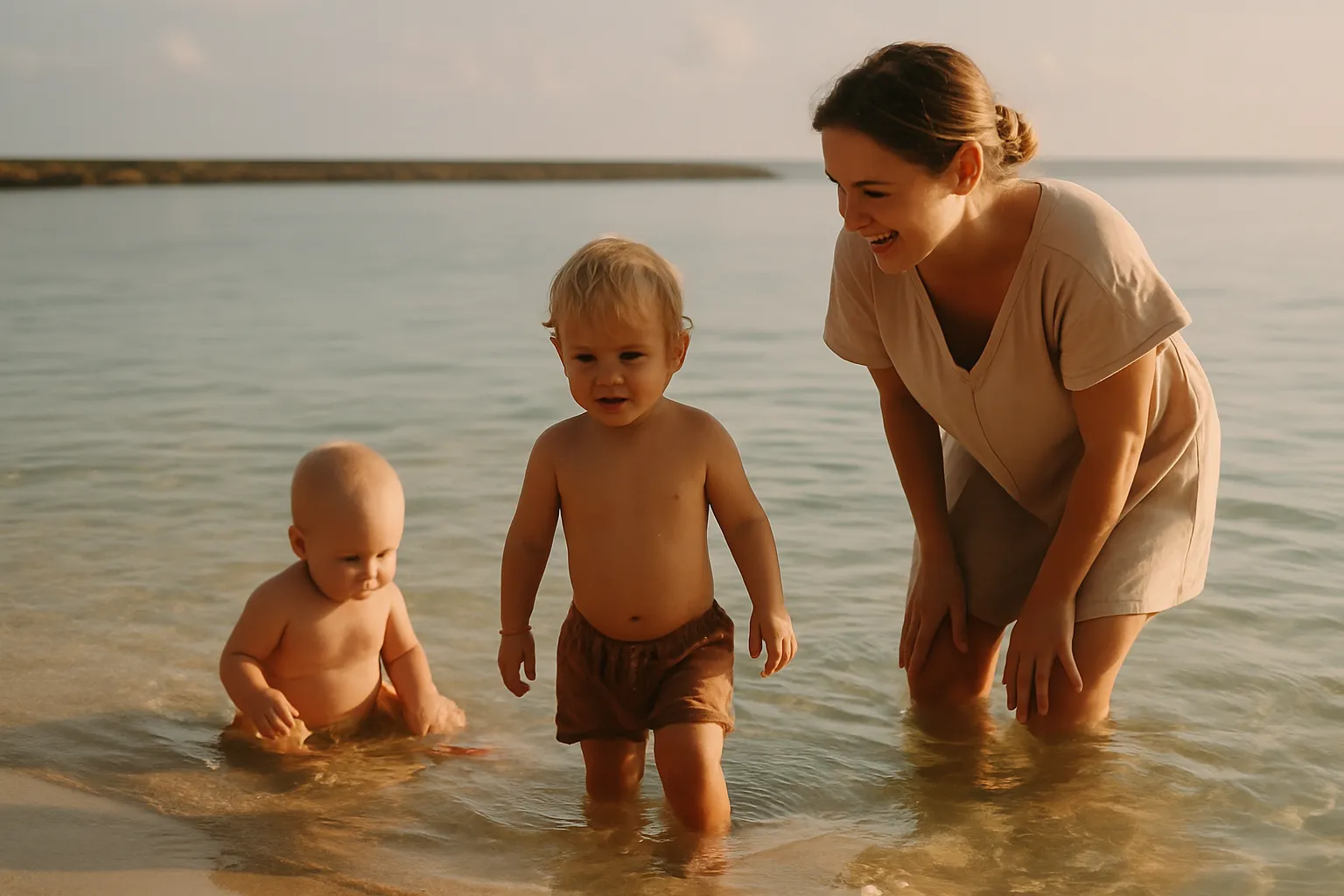
For calm, safe paddling choose Sanur, Nusa Dua, Pandawa or Jimbaran. Kuta, Seminyak, Canggu and Uluwatu are surf beaches with currents — lovely for sandplay and sunsets, but not for toddler swimming.
Ubud with kids
The Sacred Monkey Forest is a hit but supervise closely (no food, secure your belongings — see the rabies note above). The Tegalalang rice terraces and the animal parks just south of town round out a great Ubud day.
Shows, culture & rainy-day backups
- Devdan Show (Nusa Dua) — a 70-minute acrobatic/dance spectacle, good from about age 3.
- GWK Cultural Park (Ungasan) — the giant Garuda statue plus daily Balinese dances and open space to roam.
- Trans Studio Bali (indoor theme park) and soft-play centres like Mai Main (Canggu) and Waka Waka (Seminyak) are perfect when it's hot or wet. Family-friendly malls — Beachwalk (Kuta), Park23 (Tuban) and Living World (Denpasar) — have indoor playgrounds, cinemas, aircon and clean baby-change facilities.
Prams & footpaths
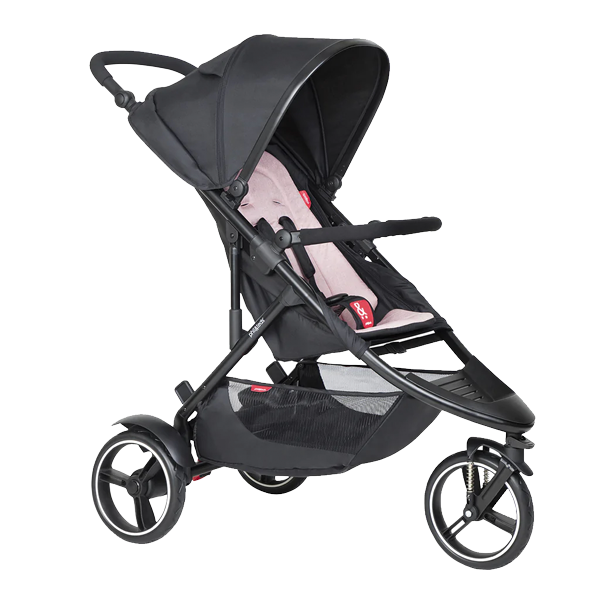
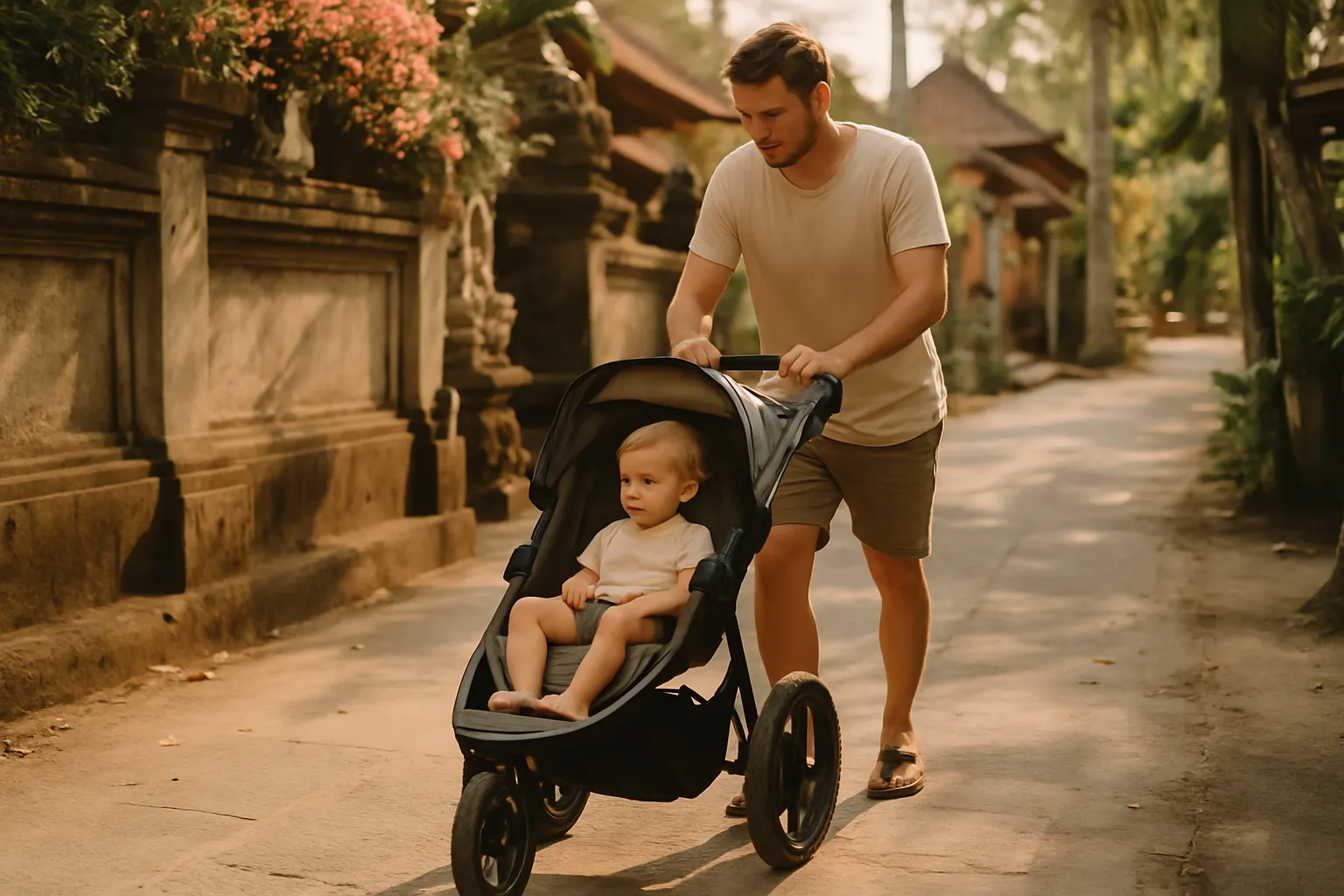
Footpaths in the main tourist areas keep improving but are still patchy, and get rougher the further afield you go. If you'll wander off the main strips at all, a jogger-style pram with larger inflatable tyres (like our Phil & Teds singles and doubles) handles Bali's footpaths far better than a small four-wheeler. After rain, watch for puddles hiding deeper holes.
Eating out, laundry & little luxuries
- Dining with kids is genuinely easy — high chairs and kids' menus are common in cafés and restaurants across Sanur, Seminyak, Ubud and Canggu. Western-style cafés are a safer bet than warungs for high chairs and predictable kid food.
- Laundry is cheap and everywhere (around IDR 10,000–20,000 per kg, often next-day) — so pack light and wash as you go. A blessing with constant baby laundry.
- Get things delivered: Grab and Gojek bring groceries, pharmacy items, formula, water and meals to your door — invaluable when there's a sleeping baby.
A few cultural notes
- The Balinese adore children — expect warm attention everywhere, which makes travelling with babies wonderfully relaxed.
- Don't pat children on the head — the head is considered sacred in Balinese culture (applies to your kids and local children alike).
- Temples: everyone wears a sarong and sash with shoulders covered; sarongs are usually available to borrow or rent at the entrance.
Information is provided in good faith and was current at the time of writing (2026). Prices, services, attractions and entry rules change — please confirm details directly, and consult your GP or travel clinic for any health and vaccination advice.